How Top Wholesalers Master 'Small Batch, Quick Turn' Demands
In today's fast-paced world of retail and e-commerce, the demand for faster delivery times, personalized products, and flexibility is greater than ever. Retailers and wholesalers are under constant pressure to meet the needs of their customers, who want quality products quickly and at competitive prices. One of the industries that has felt this shift is the swimwear market. As trends change rapidly, wholesalers must adjust to these new demands. How do top wholesalers navigate these challenges, particularly when it comes to small batch, quick turn orders? The answer lies in their ability to master flexibility, efficiency, and customization.
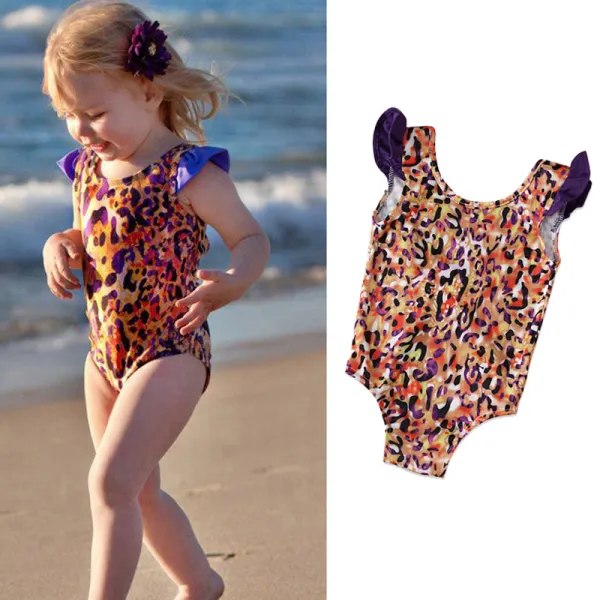
Whether it's wholesale swimwear, wholesale men swimwear, wholesale kids swimwear, wholesale bikinis, or custom swimsuits, wholesalers are evolving to meet these demands while maintaining profitability and high-quality standards. In this article, we'll take a closer look at how leading swimwear wholesalers handle 'small batch, quick turn' demands and what it takes to stay competitive in this evolving market.
1. The Evolution of Swimwear Wholesale Demands
The swimwear industry has seen significant shifts in consumer behavior over the years. Gone are the days when consumers would shop for swimsuits only during the summer months. Now, swimwear is a year-round product, and the demand for new styles, designs, and sizes has increased. This is particularly true for swimwear that targets specific demographics, such as wholesale men swimwear, wholesale kids swimwear, wholesale bikinis, and custom swimsuits.
What has also changed is the need for faster inventory turnover. Retailers want to receive the latest swimwear collections as soon as possible, and they don't want to carry large quantities of unsold stock. The 'small batch, quick turn' model has become essential, as it allows retailers to offer fresh collections without overstocking. But for wholesalers, this presents challenges in terms of production, logistics, and inventory management.
2. Small Batch, Quick Turn: Why It Matters
The concept of small batch production with a quick turnaround is rooted in several key business factors:
-
Flexibility: Small batches allow wholesalers to adjust production based on market trends. Instead of committing to large volumes of one design, they can test various styles in smaller quantities, enabling them to gauge consumer preferences and adjust quickly.
-
Faster Time to Market: Retailers want to keep up with trends in real-time, and quick turnarounds allow them to offer the latest designs to their customers before their competitors do. This is particularly important in fast-moving sectors like fashion swimwear, including wholesale bikinis, which often change seasonally.
-
Reduced Risk: By producing in smaller batches, wholesalers and retailers can minimize the risk of excess inventory that doesn't sell. This is especially critical for seasonal items like swimwear, where demand can fluctuate unexpectedly.
-
Customization: Consumers increasingly want products that reflect their individual tastes and needs. Custom swimsuits are in high demand, and offering these items in small batches with a quick turnaround allows wholesalers to meet this need without investing in large quantities of custom stock.
For swimwear wholesalers, mastering this model means being able to quickly respond to shifting demands while maintaining high standards of product quality.
3. Efficient Production and Sourcing Practices
To meet the small batch, quick turn demands, wholesalers need to work closely with their manufacturers and suppliers to streamline production processes. Here are a few practices that top wholesalers adopt:
a. Just-in-Time (JIT) Manufacturing
Just-in-time manufacturing is a strategy that aims to reduce inventory costs by ordering raw materials and producing goods only when they are needed. This method works well for the swimwear industry because of the seasonal nature of the product. By relying on JIT manufacturing, wholesalers can avoid overstocking, reduce waste, and respond quickly to orders for wholesale swimwear, whether it's for wholesale men swimwear, wholesale kids swimwear, wholesale bikinis, or custom swimsuits.
b. Local Manufacturing Partnerships
As global shipping times and costs have increased, many top wholesalers are turning to local or regional manufacturing partners to reduce lead times. By sourcing swimwear products locally, wholesalers can cut down on shipping delays and produce items in smaller quantities more quickly. This is especially important for custom swimsuits, which often require special production methods and higher attention to detail.
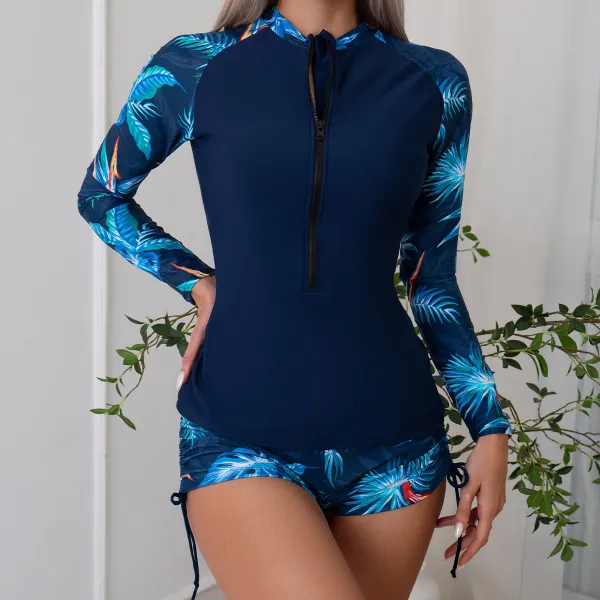
c. Technology-Driven Production Processes
The use of advanced technologies such as 3D printing, automated cutting machines, and CAD (Computer-Aided Design) software allows swimwear manufacturers to design, prototype, and produce new products faster and more accurately. These technologies can be particularly helpful when creating custom swimsuits or when producing small batches of wholesale bikinis, wholesale men swimwear, or wholesale kids swimwear. With 3D modeling software, manufacturers can visualize the designs before moving into production, reducing the time spent on revisions and minimizing errors.
4. Managing Inventory for Quick Turnaround
In the world of small batch production, inventory management becomes crucial. When wholesalers are dealing with quick-turn demands, efficient inventory control ensures that the right products are available at the right time.
a. Demand Forecasting
By analyzing past sales trends, monitoring social media, and collaborating with retailers to understand their upcoming needs, wholesalers can forecast demand with greater accuracy. Predicting demand for specific items like wholesale bikinis or wholesale men swimwear can help avoid overproduction or underproduction.
b. Real-Time Inventory Tracking
Having a robust system in place to track inventory in real-time allows wholesalers to respond quickly to changes in demand. Whether it’s for a specific swimsuit design or a custom swimsuit order, real-time data helps wholesalers adjust production schedules and avoid delays.
c. Collaborating with Retailers
Wholesalers often work closely with retailers to understand what products are selling well and which are not. By maintaining an open line of communication with retailers, wholesalers can avoid overstocking on slow-moving items and focus on producing the most in-demand swimwear.
5. Custom Swimwear: Meeting the Personalization Trend
Another aspect of the swimwear market that has gained considerable attention is customization. As consumers seek more personalized experiences, custom swimsuits have become a popular trend. From personalized logos to unique color schemes and sizes, custom swimsuits are no longer reserved for professional athletes or exclusive brands.
For wholesalers, offering custom swimsuits in small batches with quick turnaround times means investing in more advanced production capabilities and establishing strong relationships with suppliers who can meet specific customization demands. Some wholesalers even offer custom swimwear for wholesale men swimwear, wholesale kids swimwear, and wholesale bikinis, expanding their market reach and catering to a broader customer base.
6. Key Challenges and How Wholesalers Overcome Them
Despite the many advantages, operating under the small batch, quick turn model presents several challenges for wholesalers:
-
Production Capacity: Not all manufacturers are equipped to handle small batch orders with short lead times. Wholesalers must carefully choose production partners who can meet their needs for speed and flexibility.
-
Quality Control: With smaller production runs, maintaining consistent quality is essential. Wholesalers must ensure that even small batches of swimwear meet the same high standards as larger orders.
-
Logistics: Fast shipping is essential to meeting quick turn demands. Wholesalers must develop strong logistics partnerships to ensure that products are delivered on time and in good condition.
Overcoming These Challenges
Top wholesalers invest in robust partnerships with suppliers, use advanced technology to streamline production, and build flexible, responsive supply chains to address these challenges. By combining innovation with a deep understanding of their customers' needs, they can maintain competitive pricing while delivering on the promise of small batch, quick turn demands.

7. The Future of Swimwear Wholesale
The swimwear industry, much like many other sectors, is shifting towards a model where speed, flexibility, and customization are essential. Whether it’s wholesale swimwear, wholesale men swimwear, wholesale kids swimwear, wholesale bikinis, or custom swimsuits, the demand for small batch, quick turn orders will only continue to grow.
Wholesalers who can master this model will be better equipped to meet the needs of modern retailers and stay competitive in a crowded marketplace. By embracing technology, optimizing supply chains, and focusing on quality control, the top wholesalers in the swimwear market will continue to thrive in the face of changing consumer expectations and business demands.
As we move further into an era defined by customization and rapid turnaround times, the role of wholesalers in the swimwear industry will evolve, but the fundamental need to respond to the ever-changing market will remain constant.


Comments
Post a Comment