Wholesale Makeup Brushes: Quality Assessment and Buying Tips
In the world of professional cosmetics, the quality of makeup brushes is just as crucial as the products applied with them. For retail businesses, beauty salons, and professional makeup artists, investing in high-quality brushes is an essential step in providing clients with impeccable results. This guide will cover practical methods for assessing brush quality, understanding materials and craftsmanship, evaluating prices, and making informed purchases when sourcing wholesale makeup brushes. We will also explore related wholesale beauty products to help buyers maximize their inventory and client satisfaction.
Understanding Makeup Brush Materials
The foundation of a good makeup brush is its bristles. When assessing wholesale brushes, the first consideration should be the type of material used. Bristles can be synthetic, natural, or a blend of both, each with distinct properties.
Synthetic bristles are usually made from nylon, Taklon, or other synthetic fibers. They are ideal for liquid and cream products, such as foundation or concealer, as they absorb less product and provide smooth coverage. Synthetic brushes are also hypoallergenic, making them suitable for clients with sensitive skin. For retailers interested in a wide range of beauty tools, sourcing from reputable wholesale makeup brushes suppliers ensures consistent quality.
Natural bristles are often derived from animal hair, such as sable, goat, or pony. These brushes excel with powder products like eyeshadow, blush, and setting powder due to their natural texture, which holds pigment effectively. Ethical sourcing is a concern when purchasing natural brushes, so verifying supplier certifications and sourcing policies is vital.
Blended bristles combine the advantages of synthetic and natural fibers, providing versatility across different makeup types while maintaining durability and softness.
When evaluating brushes in bulk, it’s beneficial to request samples to test how the bristles handle different products and how they perform after multiple washes.
Examining Brush Construction
Beyond bristle materials, the construction of a brush significantly affects its performance and longevity. High-quality brushes exhibit precision in three key areas: the ferrule, handle, and overall craftsmanship.
Ferrule: The metal piece connecting the bristles to the handle should be tightly crimped to prevent shedding. High-grade ferrules are usually brass or aluminum coated for durability. A loose ferrule is a red flag in wholesale purchases.
Handle: Handles vary in length, weight, and material. Wooden handles offer a classic feel but must be properly sealed to prevent warping. Acrylic or plastic handles are lightweight and easy to clean, suitable for high-volume salons and retail environments.
Bristle attachment and shape: Quality brushes have even, well-shaped bristles that maintain their shape over time. Irregular bristle patterns or uneven lengths indicate poor craftsmanship and can compromise makeup application.
Price Assessment: Balancing Cost and Quality
While price is an important factor, the cheapest option is rarely the most cost-effective in the long run. When purchasing wholesale, it’s essential to balance affordability with quality. Evaluate bulk pricing offers against durability, bristle density, and brand reputation. Investing slightly more upfront often saves money over time, as high-quality brushes last longer, perform better, and enhance customer satisfaction.
For businesses expanding their beauty inventory, it’s worth exploring complementary wholesale products, such as wholesale makeup bags or pink makeup brush wholesale, which can increase sales and provide clients with a complete beauty solution.
Choosing the Right Wholesale Supplier
Selecting a trustworthy wholesale supplier is crucial. Established suppliers offer consistent quality, verified sourcing, and a variety of products to meet diverse client needs. When researching suppliers, consider the following:
Product range: Does the supplier offer brushes for eyes, face, and lips, along with specialty tools?
Reviews and reputation: Positive feedback from other retailers or makeup professionals indicates reliability.
Shipping and logistics: Timely delivery is essential, particularly for seasonal or promotional inventory.
Certifications: Ensure brushes meet safety and hygiene standards, especially for cosmetic applications.
A few suppliers, like those offering wholesale cosmetic jars or sunscreen sticks bulk, also provide bundled deals or bulk discounts, which are valuable for small businesses seeking cost efficiency.

Practical Tips for Buying in Bulk
When purchasing wholesale brushes, consider the following strategies:
Request samples: Before committing to large orders, test sample brushes to evaluate softness, durability, and product pickup.
Check return policies: Reliable suppliers often offer returns or replacements for defective brushes.
Diversify inventory: Stock a range of brush types—powder, liquid, blending, and specialty brushes—to cater to different client needs.
Look for bundles: Bulk packs often reduce cost per brush and simplify inventory management.
Stay updated on trends: Keeping up with makeup trends ensures your stock remains relevant and attractive to clients.
Expanding Your Wholesale Beauty Offerings
For businesses aiming to provide a full suite of beauty products, integrating additional wholesale items can create upselling opportunities and enhance customer loyalty. Consider complementary products such as:
wholesale makeup products for general inventory expansion
wholesale perfume and niche fragrances for gift sets
wholesale hair care products and styling tools for salon clients
wholesale nail supplies and accessories for full-service offerings
Diversifying your inventory allows you to appeal to broader clientele while strengthening your business’s reputation as a one-stop beauty supplier.
Hygiene and Maintenance of Makeup Brushes
Proper hygiene is critical for both retail displays and professional makeup use. Brushes must be cleaned regularly to prevent bacterial buildup, which can cause skin irritation or infections. Retailers can enhance client confidence by offering cleaning instructions and storage solutions. Recommended practices include:
Washing brushes with gentle soap or brush cleanser at least once a week.
Using brush guards or cases to maintain shape during storage.
Rotating stock to ensure brushes on display remain fresh and usable.
Additionally, suppliers like those providing wholesale salon supplies often include cleaning products and tools, making it easier for businesses to maintain high hygiene standards.
Trends in Wholesale Makeup Brushes
The beauty industry evolves rapidly, and staying ahead of trends can impact sales. Popular trends in makeup brushes include:
Eco-friendly materials: Vegan synthetic bristles and sustainably sourced handles are increasingly popular.
Ergonomic designs: Lightweight, ergonomic handles reduce hand fatigue for professionals.
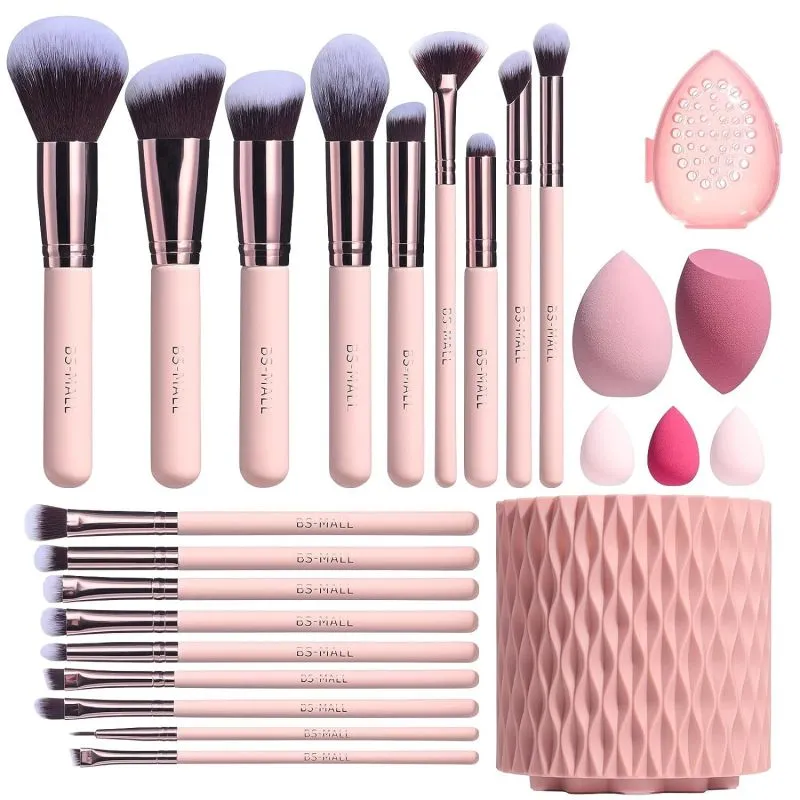
Colorful and themed sets: Brushes in pink, rose gold, or pastel colors appeal to younger demographics and collectors.
For example, offering pink makeup brush wholesale can attract clients seeking both functionality and aesthetics.
High-quality makeup brushes are foundational for professional makeup application and retail success. By understanding materials, craftsmanship, pricing, and supplier reliability, businesses and makeup artists can make informed purchasing decisions that enhance client satisfaction. Complementing brushes with additional wholesale products—from cosmetics and perfumes to hair care and nail supplies—ensures a well-rounded, competitive beauty inventory.
Investing in reputable wholesale makeup brushes and other wholesale products not only improves the client experience but also strengthens your brand’s credibility. With careful selection, attention to quality, and strategic inventory planning, wholesale buyers can build a thriving, professional-grade beauty business that meets modern industry demands.


Comments
Post a Comment